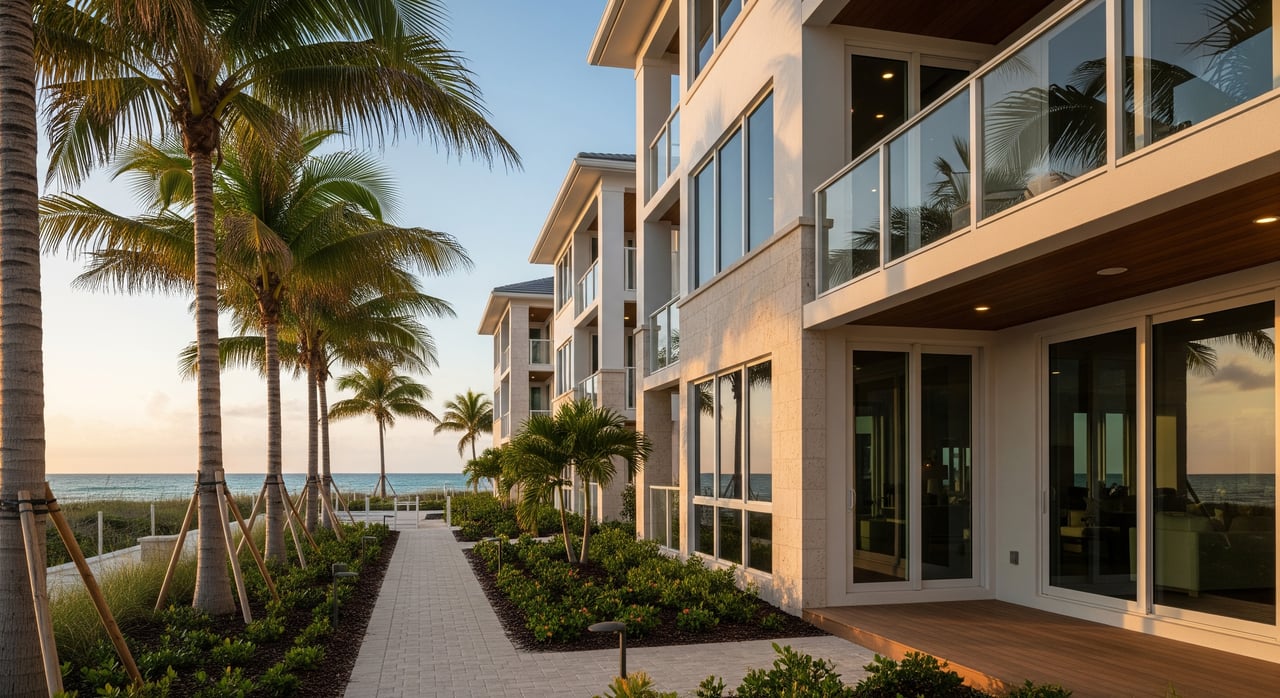
Imagine stepping out your front door and onto the sand in minutes. That is the promise of Park Shore when you choose the right condo. If you want a true walk-to-beach lifestyle and easy access to Venetian Village, a little homework will save you time and surprises. This guide shows you how to vet buildings, compare HOA documents and insurance, and plan efficient tours during high season so you can buy with confidence. Let’s dive in.
What “walk-to-beach” means here
Not every “close to the beach” listing delivers the same experience. In Park Shore, walkability depends on building placement, deeded pathways, and how you cross Gulf Shore Boulevard North. Use these practical categories when you evaluate options:
- Category A: Beachfront / immediate walk (0–3 minutes, ~0–200 yards). Buildings on or beside the dune line with direct, private, or deeded access to the public beach.
- Category B: Easy walk (3–8 minutes, ~200–600 yards). A short walk across Gulf Shore Blvd or along a maintained walkway to a neighborhood access point.
- Category C: Short walk (8–15 minutes, ~600–1,500 yards). Still walkable, but routes may include longer sidewalk stretches, a busier crossing, or stair access over dunes.
A short distance does not always mean easy access. Non‑signalized crossings, gaps in sidewalks, or steep dune stairs can be challenging if you have mobility concerns or beach gear.
How to verify beach access
Map distance and route
- Use walking directions and a distance tool to estimate minutes and yardage. Satellite view helps you spot dunes, sidewalks, and crosswalks along Gulf Shore Blvd North.
- Note the exact route you would take at different times of day. Morning and late afternoon reveal real pedestrian patterns and traffic.
Confirm deeded access
- Ask the association whether the building has private or deeded beach access, shares an easement, or relies on public access. Get this confirmed in writing.
- Check official parcel and plat maps to verify recorded easements. Proximity to sand is not the same as legal access.
Check safety and stairs
- Identify whether the nearest crossing is signalized or controlled by a guard gate.
- Ask if the access path includes stairs, ramps, or soft sand stretches. This matters for strollers, carts, and anyone managing mobility limits.
Venetian Village proximity
Venetian Village sits along the southern edge of Park Shore and is a major lifestyle draw for dining, boutiques, and marina views. If that experience is part of your daily plan, capture two numbers for each building you tour:
- Walk time in minutes door to door.
- Route quality notes, including sidewalk continuity, lighting, and crosswalks.
Confirm your map estimate with an actual walk. Evening visits help you evaluate lighting and ambiance.
Park Shore buildings and amenities
Common building types
- Mid‑rise and high‑rise condo towers along Gulf Shore Blvd North.
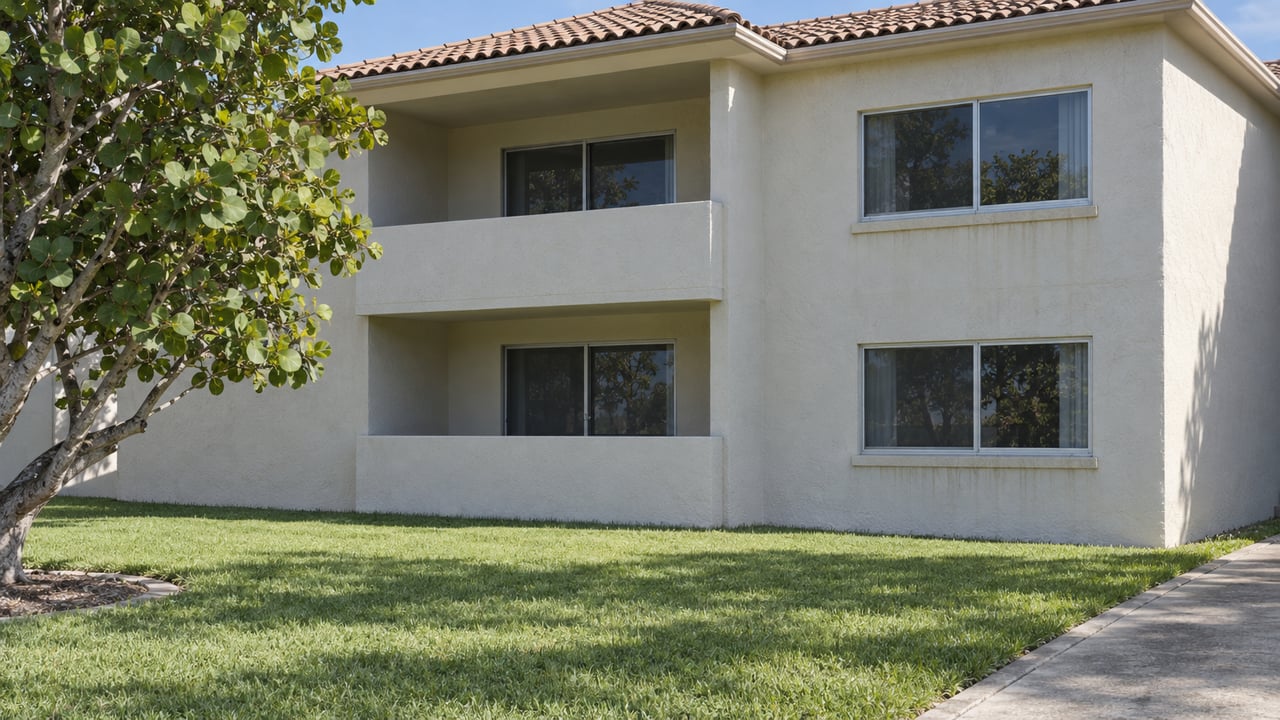
- Low‑rise clusters and attached villas a bit inland but within walking range.
- Gated developments with landscaped common areas and private roads.
Amenities you will often see
- Heated pool and spa areas
- Fitness rooms
- Tennis or pickleball courts
- Assigned covered parking plus guest spaces
- Security features such as gated entry or lobby staff in larger towers
- Private or deeded beach access where applicable
- Elevators, storage areas, and bike racks
- Onsite management or concierge in select buildings
Boat slips are less common inside Park Shore itself, though marina services are available nearby at Venetian Village.
Typical unit features
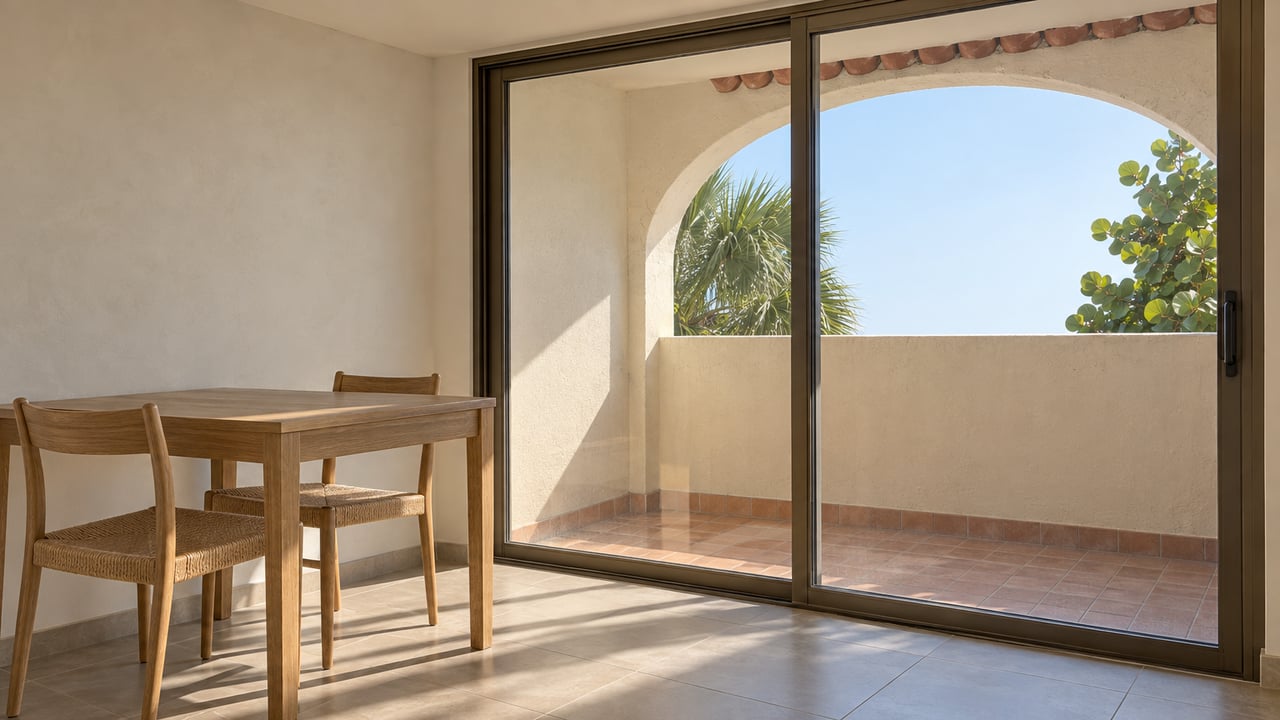
- Open living areas with balconies or terraces oriented to the gulf or landscaped courtyards
- Tile or hardwood flooring and central air conditioning
- Impact‑rated windows and doors or storm shutters depending on age and retrofits
- Renovation levels vary widely, from turnkey modern to original finishes
- Parking may be garage, carport, or open assigned
What HOA fees usually cover
- Exterior maintenance, landscaping, pool care, elevators
- Master insurance for common areas and structure
- Water and sometimes cable or Internet
- Security, management, and contributions to reserves
Fees vary by age, amenities, and insurance costs. Review line‑item budgets to understand what is included.
Insurance, flood, and Florida rules
Master policy vs HO‑6
The association maintains a master policy for the structure and common areas. You will need an HO‑6 policy for interior improvements and personal property. Clarify whether the master policy is “bare walls” or broader in scope and confirm your lender’s requirements.
Flood zones and coverage
Park Shore is a coastal area, so confirm the building’s FEMA flood zone designation and whether flood insurance is in place for the condominium property. If the property is in a Special Flood Hazard Area, lenders typically require flood coverage. Ask for the declarations page to see the details.
Hurricane readiness
Ask about wind mitigation improvements, storm shutter requirements, and any major repairs after recent storms. Inquire about roof, exterior wall, balcony, and elevator projects since past hurricane events.
Florida Condominium Act basics
Association operations, reserves, and resale disclosures are governed by Chapter 718 of Florida Statutes. During due diligence, you are entitled to key documents that outline the building’s financial health, rules, and any pending assessments.
How to compare HOA documents
Documents to request
- Declaration of Condominium, Bylaws, Articles, Rules and Regulations
- Current operating budget and year‑to‑date financials
- Most recent reserve study or reserve schedule and current balances
- Board meeting minutes for the last 12–24 months
- Insurance certificates and master policy declarations
- Notices or resolutions for current or recent special assessments
- Litigation disclosures
- Rental and leasing rules with minimum terms
- Pet policy and other use restrictions
- Estoppel or resale certificate with amounts due and assessments
- Management contract and manager contact information
- Capital project plans for roofs, elevators, concrete, or exterior work
Review these documents with your real estate attorney or condo specialist during your inspection window.
Red flags and follow‑ups
- Low reserves compared to the reserve study or large upcoming projects without funding
- Repeated or large special assessments
- Active litigation involving the association
- Vague insurance definitions about what the master policy covers
- Frequent rule changes or contentious board minutes
- Rental rules that conflict with your plans
- Code violations or unresolved safety issues
Questions to ask the association
- What is the current reserve balance and annual reserve contribution?
- Are any special assessments planned or under discussion?
- What does the master policy cover inside the unit, if anything?
- Is beach access deeded to the association, and who maintains the pathway?
- How does guest parking work during high season?
Touring during high season
High season in Naples runs roughly November through April. Demand is high, and showing windows can be tight, especially from mid‑December through March.
Scheduling and access
- Book showings well in advance. Some towers require notice, sign‑ins, or specific showing hours.
- If a unit is tenant‑occupied, plan for appropriate notice and access.
- Expect to check in at guard gates or lobbies and use elevator keys or guest passes.
What to ask onsite
- Where is the nearest beach access, and is it deeded, shared, or public?
- How long is the walk to Venetian Village, and what is the safest route?
- Are there beach amenities such as showers, storage, or chairs?
- How are parking assignments and guest parking managed during season?
- Elevator reliability, downtime history, and service plans
What to bring
- Tape measure for balconies and key rooms
- Phone or notepad for photos and quick comparisons
- A printed questions list for HOA, insurance, and unit condition
- Copies or notes from association documents for reference
Timing your visits
- Visit early morning or late afternoon to see real beach and dining traffic activity.
- Tour on both a weekday and a weekend to compare parking and pedestrian volume.
Side‑by‑side comparison worksheet
Capture the same data for each candidate so your choice is clear. Start with these metrics:
- Asking price and price per square foot
- Monthly HOA fees and what they include
- Special assessment history and reserve strength
- Flood zone designation and flood insurance implications
- Beach access type and estimated walk time to sand
- Walk time and route quality to Venetian Village
- Amenities list, age, and condition
- Parking type and guest parking rules
- Rental policy and investor flexibility
- Pet policy, including size or count limits
Then score each building on a simple scale:
- Walk‑to‑beach convenience: A, B, or C
- Walk‑to‑Venetian Village convenience: minutes and route quality
- HOA stability: reserves, assessments, litigation
- Amenities fit: match to your priorities
- Net monthly cost: HOA + HO‑6 + flood (if required) + typical utilities
- Resale and rental flexibility: rules and market appeal
Add HOA fees, estimated insurance, and utilities to see the real monthly ownership cost beyond mortgage and taxes.
Next steps
If you want a Park Shore condo that is truly walkable to both the beach and Venetian Village, start with access verification, then move to documents, insurance, and season‑smart touring. Your best result comes from a calm, organized process and clear comparisons. When you are ready, connect with a local advisor who knows Park Shore’s buildings and association nuances inside and out. For a personal plan and vetted building short list, reach out to Aline Smolanoff.
FAQs
What does “walk‑to‑beach” mean in Park Shore?
- It describes practical walking access, which ranges from direct beachfront pathways to short or slightly longer sidewalk routes to public access points; verify whether access is deeded, shared, or public.
Is walk‑to‑beach the same as private beach access?
- No. Some buildings have deeded or association‑controlled pathways, while others rely on nearby public access; always confirm access type in the association documents.
How do HOA fees typically compare across buildings?
- Fees vary based on age, amenities, reserves, and insurance; older buildings may have lower monthly fees but larger upcoming projects, while luxury towers with more services usually cost more.
Are short‑term rentals allowed in Park Shore condos?
- Policies differ by association; check the condominium declaration and rental rules for minimum lease terms and any short‑term restrictions before you buy.
What insurance do I need as a condo buyer?
- The association carries a master policy for the building; you need an HO‑6 policy for your interior and belongings, and separate flood insurance if the property is in a flood hazard area or required by your lender.
How can I estimate walk time to Venetian Village?
- Use a walking directions tool for a first estimate, then confirm the route in person and note sidewalks, lighting, and crosswalks for safety and comfort.