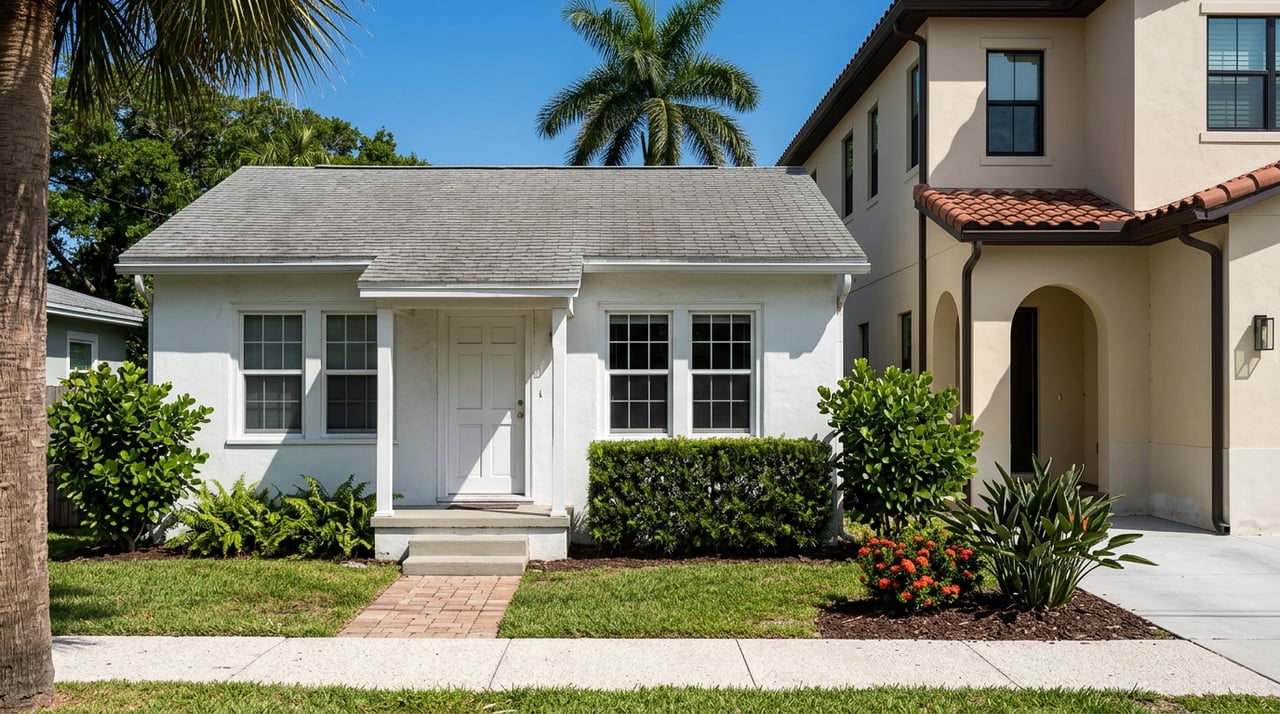
Are you torn between the charm of an Olde Naples cottage and the ease of a new construction home? It is a real choice here, where walkable streets, Gulf breezes, and a tight footprint shape what is possible on every lot. You want the right lifestyle, clear costs, and confidence about rules and risks. In this guide, you will see how cottages and new builds compare on character, maintenance, resilience, permitting, and resale so you can choose what fits you best. Let’s dive in.
What “Olde Naples” means
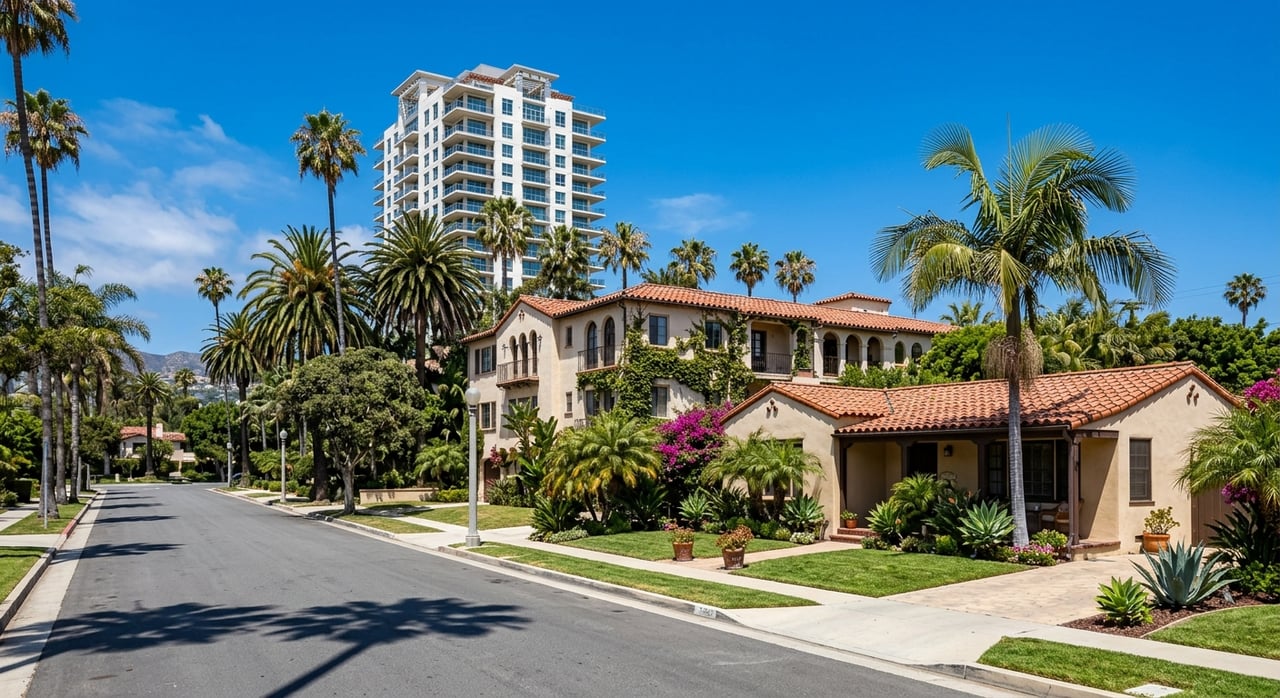
Olde Naples is the compact, highly walkable area centered on Fifth Avenue South, Third Street South, and Gulf Shore Boulevard. You will find early cottages, low-rise condos, and modern estates within a small grid west of US‑41. Local definitions and listing polygons can vary, so confirm a property’s exact map boundary and walk times to the Pier and retail corridors when you evaluate options. Neighborhood guides highlight this nuance for buyers considering streets block by block in Olde Naples (local overview of Olde Naples).
Some blocks overlap the city’s historic fabric. The Naples Historical Society maintains the area’s oldest surviving residence, Historic Palm Cottage (built in 1895), which offers a window into the region’s early frame-vernacular coastal style (Historic Palm Cottage). That history explains why many cottages feature distinctive materials and simple, porch-focused designs.
Public neighborhood profiles show Olde Naples trades at multi-million-dollar price points with low inventory relative to broader Naples. Exact values change fast. Ask for the latest MLS/NABOR comps on your specific street before making price decisions.
Olde Naples cottages: character and tradeoffs
What you will see in listings
Classic cottages tend to be smaller-to-moderate in size with front porches or screened lanais, wood-frame or early masonry construction, and mature tropical landscaping. Lots are often narrower with modest backyards, which can limit pool size or multi-car garages unless lots are combined. Many buyers accept the smaller footprint in exchange for walkability and proximity to downtown and the beach.
Streets closest to the Gulf or just a block away often command a location premium. When you value a cottage, factor in exact distance to the water and to Fifth/Third shopping streets.
Ownership and maintenance
Coastal living means more exterior care. Salt air, wind-driven rain, and humidity can accelerate corrosion on fasteners and AC condensers, wear paint faster, and encourage biological growth. Regular freshwater rinsing, corrosion‑resistant hardware, and shorter repaint cycles help protect exteriors in Southwest Florida (coastal maintenance basics).
Roofs and weatherproofing deserve special attention on older homes. Many owners upgrade roof assemblies beyond code to improve wind resistance and reduce storm damage risk, drawing on guidance like IBHS FORTIFIED practices (IBHS on resilience upgrades).
Inside, older cottages may have dated plumbing, electrical panels, or undersized HVAC. Full or partial repipes, new service panels, extra insulation, and new AC equipment are common near‑term projects. Plan to review permits and service records and complete a thorough inspection.
Termite risk exists across Florida. Annual inspections and a current barrier or baiting program are common recommendations for wood-framed coastal homes in our region (UF/IFAS termite overview).
Renovations, rules, and timing
If you plan to renovate a character cottage, first confirm whether it sits within a locally regulated historic area or if specific design approvals apply. Exterior changes in some settings require review before you pull building permits. Flood zone and elevation rules also affect design scope and cost, especially if your project counts as a “substantial improvement.” Collier County and the City of Naples use updated flood maps, and projects near the coast must meet elevation and coastal design requirements (Collier floodplain management and maps). Industry standards like ASCE flood-resistant design guidance inform these local rules and can impact foundations, breakaway walls, and allowable enclosures below elevated floors (ASCE flood-resistant design context).
Project timelines vary. Coastal work and any plan that touches structure, elevation, or shoreline elements can add weeks or months for reviews. Build that into your budget and move-in plans.
New construction in Olde Naples: modern coastal living
What to expect
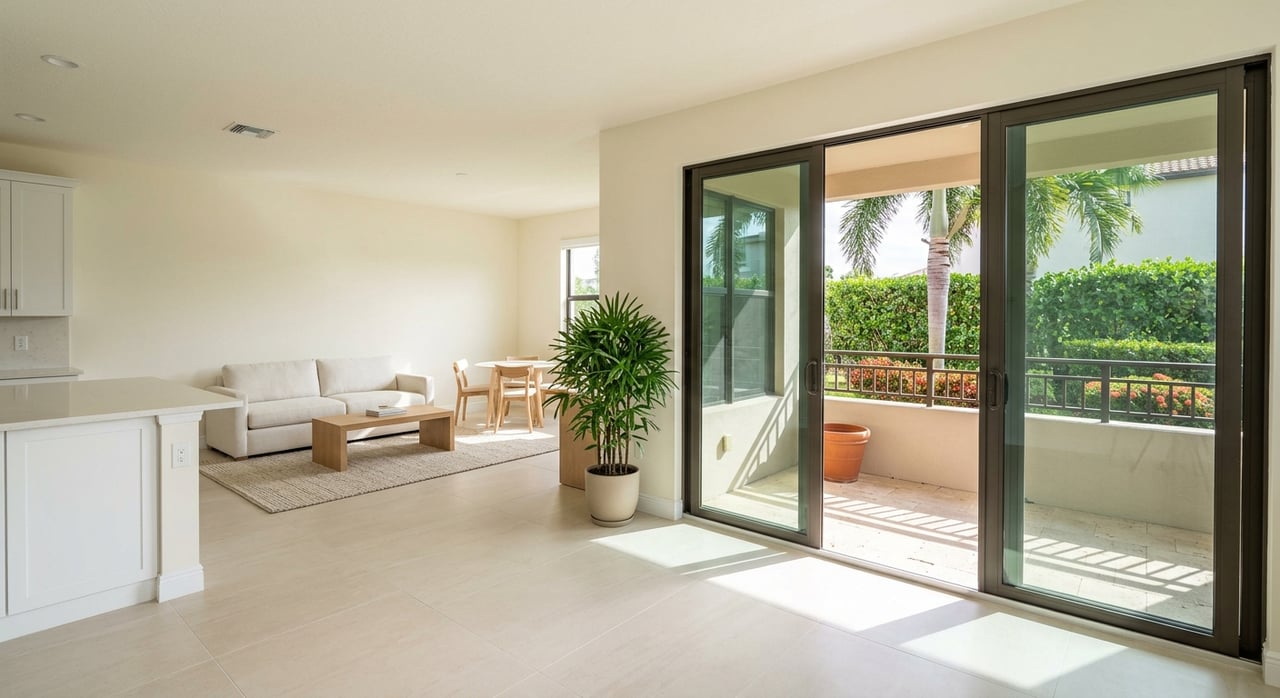
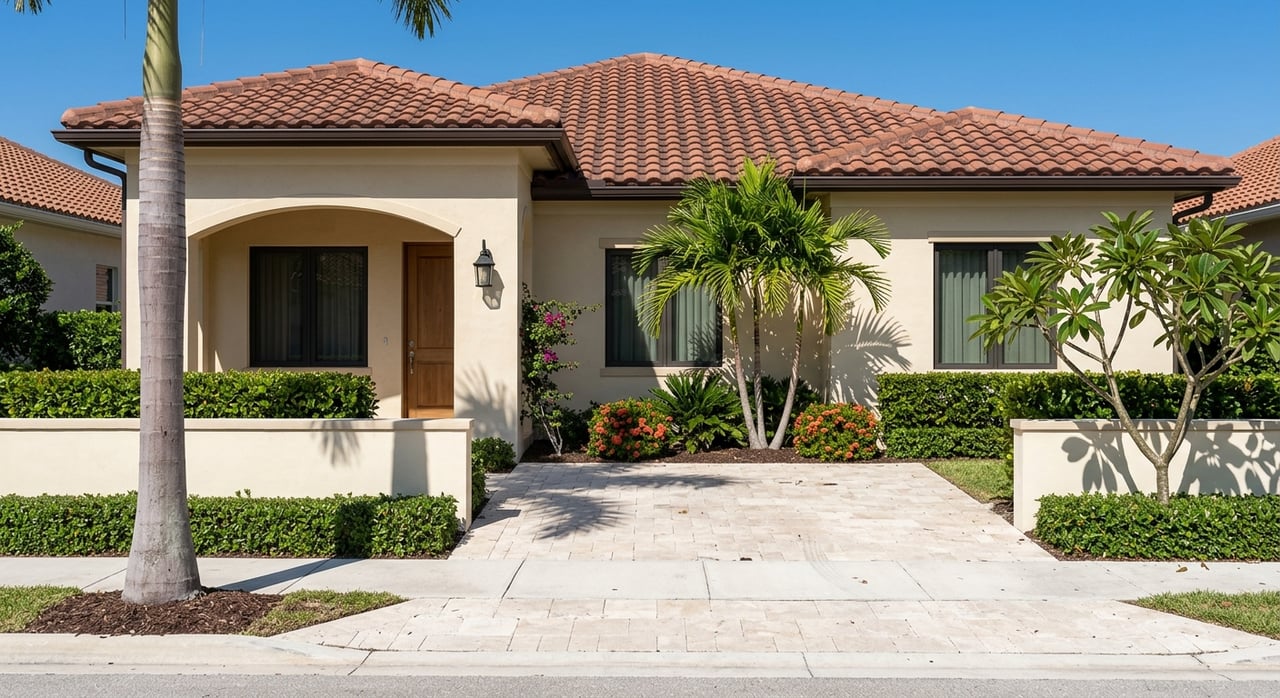
New builds in Olde Naples reflect current Florida Building Code and coastal best practices. Expect elevated structures where required, impact-rated doors and windows, continuous load paths, and wind- and water‑resistant roof and envelope details. Open floor plans, larger conditioned space, and integrated outdoor areas with pools and kitchens are common (Florida Building Code overview).
Ownership and resilience benefits
These code-driven features, along with optional IBHS/FORTIFIED measures, can lower near-term maintenance and reduce uncertainty about wind and water performance compared with older homes that have not been upgraded (IBHS on resilience upgrades). While you pay a premium for high-end materials and engineering, you often gain simpler ownership and more predictable capital expenses in the first years.
Land scarcity and design choices
Olde Naples is small and highly desirable. Many new homes replace older structures on infill lots. Builders sometimes combine adjacent parcels to achieve larger footprints, deeper setbacks, and more privacy. If you prefer a quiet block or have renovation plans for a cottage, understand nearby development pressure and how setbacks, height, and coverage rules shape what can be built next door.
Rental rules you should know
Short-term rental policies differ by jurisdiction and they matter to your buy-versus-build decision.
- City of Naples: Single-family homes generally must be rented for 30 days or longer. A property can be rented for under 30 days up to three times per calendar year. The City is not part of the County’s registration program. Always check the code and any HOA or condo rules for the property you are considering (City of Naples rental FAQ).
- Unincorporated Collier County: The County requires registration for short-term vacation rentals in areas outside the City. This program sets registration and responsible-party requirements for units rented short term. Confirm whether a property is inside city limits or in unincorporated Collier and follow the right process (Collier County rental registration overview).
Flood and waterfront considerations
Collier County and the City of Naples have adopted updated coastal flood maps. Your flood zone (AE, VE, or Coastal A) determines required elevations, foundation types, and design features for both renovations and new construction. Ask for the current elevation certificate and review base flood elevation before you finalize your plan (Collier floodplain management and maps). Technical standards guide local requirements and can influence whether you need open pile foundations, breakaway walls, or additional freeboard (ASCE flood-resistant design context).
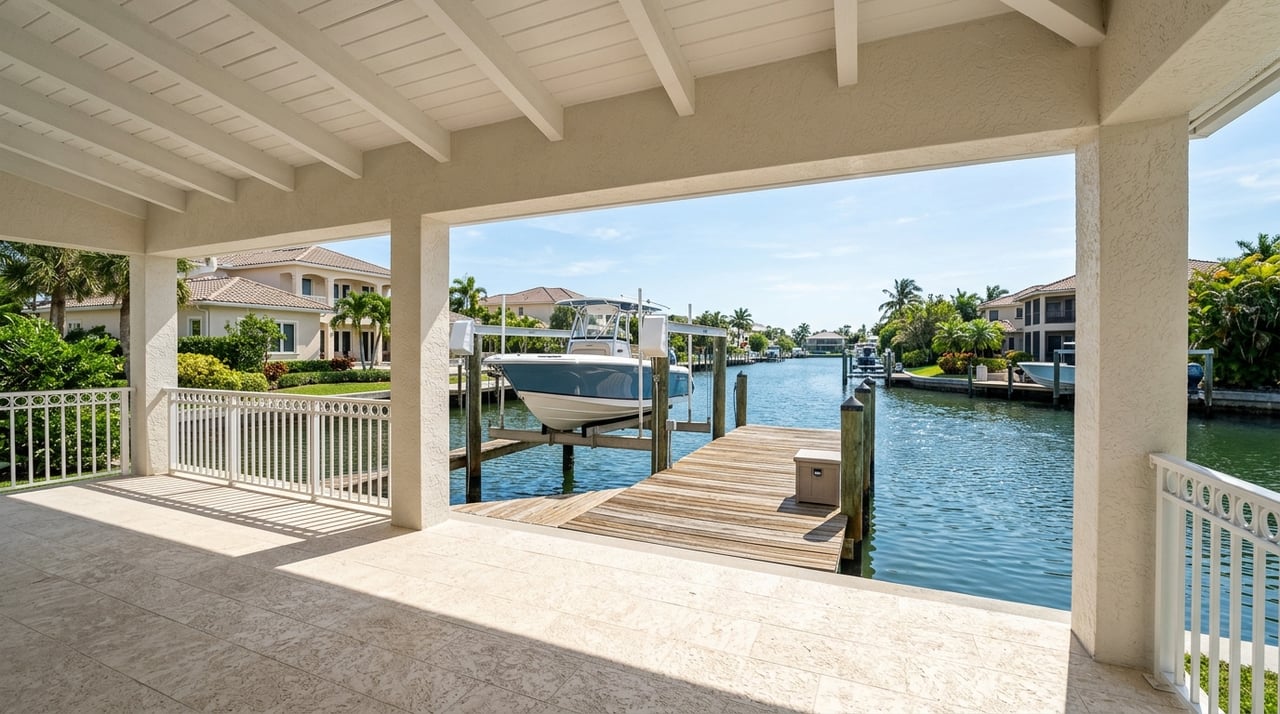
If your property sits on the Gulf or a canal, verify seawall condition and permit history. Seawall work can be a major expense on small lots. Ask for recent engineering reports and documentation of repairs. FEMA’s coastal construction guidance provides useful background on best practices for hurricane and surge resistance.
Market snapshot and resale
Olde Naples is a premium, low-inventory micro-market. Public neighborhood profiles show median sale prices in the multi‑million range and strong price per square foot relative to broader Naples. Well‑located and turnkey properties — whether an updated cottage or a new build — tend to attract faster offers than homes needing major systems work. Use your agent’s latest MLS/NABOR comps to evaluate value on your exact block.
Side-by-side comparison
| Factor | Cottages | New Construction |
|---|---|---|
| Character | Historic charm, porches, mature trees | Clean-lined, open plans, modern finishes |
| Size/outdoor | Smaller lots, modest yards, limited garage/pool space | Larger footprints, integrated outdoor living |
| Maintenance | More frequent exterior care; potential system upgrades | Lower near-term maintenance; modern systems |
| Resilience | May lack elevation/impact features unless upgraded | Built to current code; impact glazing and elevated structure where required |
| Rules | Possible historic review for exteriors; flood rules can affect renovations | Flood and coastal design rules baked into permitting |
| Price/liquidity | Strong interest if updated and well located | Premium pricing with simpler ownership and broad buyer appeal |
Buyer checklist for Olde Naples
Use this quick list to compare a cottage and a new build side by side:
- Verify exact location: Is the property inside City of Naples or in unincorporated Collier? Rules and processes differ (City rental FAQ; County rental registration).
- Pull flood data: Get the elevation certificate, confirm your flood zone, and understand base flood elevation and required freeboard for your plans (Collier floodplain resources).
- Inspect systems: Hire a licensed inspector to focus on roof, envelope, HVAC, electrical, plumbing, and a WDI (termite) report (UF/IFAS termite overview).
- Review resilience: Ask about impact openings, roof attachment details, and any code-above or FORTIFIED measures (IBHS on resilience upgrades).
- Check permits and plans: Confirm permit history for additions, structural changes, or any living area below required elevation (Florida Building Code overview).
- If waterfront: Ask for seawall condition reports and recent repair permits. Budget for potential seawall or dock work.
- Insurance quotes: Get wind and flood quotes early. Ask insurers how elevation, roof age, and impact openings affect pricing.
- Comps and days on market: Compare similar homes on the same micro‑block. Turnkey and well‑located listings often trade faster in Olde Naples.
Which option fits you?
Choose a cottage if you prize character, a cozy scale, and a front‑porch lifestyle near Fifth, Third, and the Pier. Plan for more hands‑on maintenance and possible upgrades to roof, systems, and flood resilience.
Choose a new build if you want low near-term maintenance, integrated indoor‑outdoor living, and confidence in current coastal codes. Expect a premium for larger footprints and modern engineering in a neighborhood where land is scarce.
If you want the best of both, look for a renovated cottage that keeps its character while upgrading the mechanicals and building envelope. These homes can deliver charm with more predictable ownership.
Ready to compare properties?
Olde Naples is nuanced block by block. I help you weigh lifestyle, resilience, rules, and resale so you can buy with clarity and confidence. If you are deciding between a cottage and a new build, let’s walk your short list together and map out the true costs and benefits. Connect with Aline Smolanoff to schedule your free consultation.
FAQs
What is considered “Olde Naples” in Naples, FL?
- Olde Naples is the compact, walkable area west of US‑41 centered on Fifth Avenue South, Third Street South, and Gulf Shore Boulevard; listing polygons vary, so confirm the exact map boundary and walk times for any property you are considering (local overview of Olde Naples).
Are Olde Naples cottages subject to historic rules?
- Some blocks overlap local historic considerations, and exterior changes can require design review; verify a property’s status with the City before planning renovations and factor review time into your schedule.
How do flood zones affect renovations or new builds in Olde Naples?
- Flood zone and elevation rules determine required floor heights, foundation types, and coastal detailing; get an elevation certificate and review local floodplain guidance before you scope your project (Collier floodplain resources).
What are the City of Naples short‑term rental rules for single‑family homes?
- In the City of Naples, single‑family rentals generally require 30‑day minimums, with up to three rentals under 30 days allowed per year; confirm details and check HOA or condo rules (City rental FAQ).
Do new construction homes reduce storm risk and maintenance?
- New builds typically include impact-rated openings, elevated structure where required, and modern roof connections that can reduce near‑term maintenance and improve storm resistance compared with older, non‑upgraded homes (IBHS on resilience upgrades).