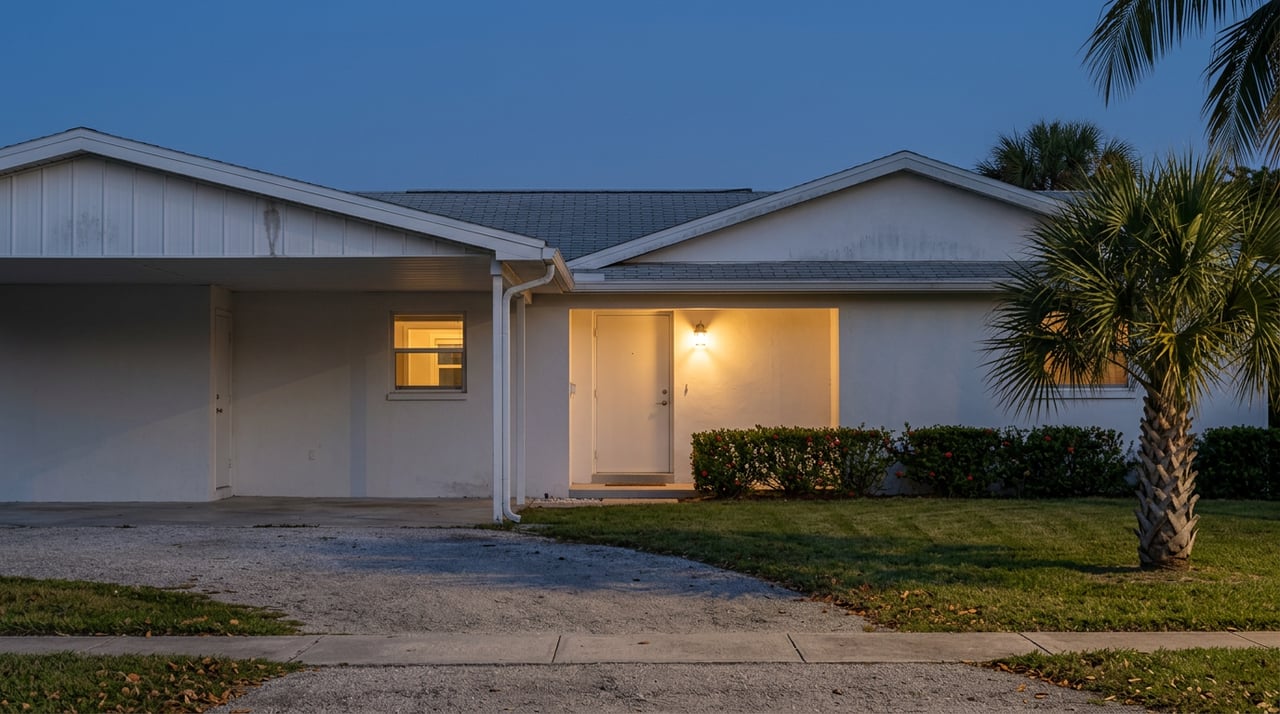
Thinking about buying a Naples Park property to rent by the week? With beach-focused demand and a clear high season, this pocket near Vanderbilt Beach can work well if you plan with care. You want predictable numbers, practical steps, and local rules in plain English. In this guide, you’ll learn how weekly rentals perform, what to verify before you buy, and a simple way to underwrite revenue and costs. Let’s dive in.
Why Naples Park appeals
Naples Park sits in unincorporated Collier County just inland from Vanderbilt Beach. Proximity to the Gulf is the main draw for short-term guests. Visitors include seasonal snowbirds, family vacationers, and weekend beach-goers.
Whole-home rentals lead performance here. Two to four bedroom single-family homes and duplexes with private pools are the most sought-after for weekly stays. Condos and townhomes can work, but many associations restrict shorter rentals and often command lower weekly rates due to shared amenities and stricter rules.
Amenities matter. Beach access, a private pool, outdoor living space and grill, updated interiors, and convenient parking can lift rates. Guests also value easy laundry, full kitchens, and multiple bathrooms. For peace of mind, many look for impact windows or shutters. Pool heating helps in the shoulder months.
Seasonality and bookings
Southwest Florida demand follows a clear pattern. High season runs from mid-December through April when snowbirds and winter travelers arrive. This is when you see the strongest occupancy and pricing. Shoulder seasons in October to November and May can produce steady weekly bookings at modestly lower rates. Summer into early fall, from June through September, is the low season due to heat, storms, and hurricane season. Expect lower occupancy and shorter lead times then.
Event weeks provide spikes. Holiday weeks, Spring Break in March, and select regional events can lift rates and fill calendars. Plan your pricing and minimum stays around these pockets.
Weekly strategy behavior
If you focus on weekly rentals, most of your bookings cluster in high and shoulder seasons. Many owners use a 7-night minimum during peak months to protect turnover rhythm and revenue. In summer, it can pay to relax minimums to capture shorter stays. Underwriting weekly rentals by month or by weeks-per-month rather than a single annual average gives a more accurate picture of volatility.
Rules and taxes to confirm
Short-term rental rules involve multiple layers. Collier County, the State of Florida, and your HOA or condo association can all affect your plan. Always verify current requirements and get professional guidance.
County requirements
Collier County enforces land-use codes and short-term rental registration in many unincorporated areas, which can include local registration, a business tax receipt, and compliance with noise and parking rules. Counties also require remittance of local tourist development taxes and may set occupancy limits and advertising rules. Enforcement can vary by neighborhood.
State registration and taxes
Florida requires collection and remittance of state sales and transient rental taxes on short-term stays. You must register with the Florida Department of Revenue and follow state filing schedules. County tourist development taxes apply in addition to state tax. Rates and processes change, so confirm details before launching.
HOA and condo rules
Many associations near the beach limit short-term rentals. Some require a minimum stay such as 30 days, limit the number of leases per year, or require guest registration and proof of local licensing and insurance. Always review the CC&Rs, bylaws, and any amendments before you make an offer.
Insurance and lending
Coastal properties are often in FEMA flood zones, and lenders may require flood insurance. Windstorm coverage and hurricane deductibles can be significant. Premiums can move quickly in coastal Florida. Some lenders have special underwriting rules for homes used primarily as short-term rentals, so confirm terms early.
Professional guidance
Because rules and taxes change, consult an attorney and a tax professional before you buy or list. Confirm county registration, state tax accounts, and any HOA requirements so you avoid fines or pauses in bookings.
How to underwrite weekly rentals
Use a structured process so you can compare properties apples to apples and build realistic scenarios.
Step 1: Define the product
Clarify your property type, bedroom and bathroom count, and the amenities that set it apart. Decide on your target guest profile. Weekly rentals near the beach often serve families and winter visitors. Set your minimum stay rules by season, such as a 7-night minimum in high season.
Step 2: Gather comps
Pull comparable data from short-term rental analytics tools and major listing platforms. Focus within 0 to 2 miles of Naples Park with similar bedroom counts, occupancy capacity, amenities, and whole-home rental models. Extract average nightly and weekly rates by month, occupancy by month, booking lead time, and minimum stay patterns.
Step 3: Convert to weekly pricing
If you only have nightly ADRs, convert by multiplying by 7, then adjust for any observed weekly premiums or discounts in your comps. Many managers publish explicit weekly prices. Use those when available for cleaner underwriting.
Step 4: Model occupancy by month
Do not use a single annual occupancy. Model weeks booked per month. In high season you might target three to four booked weeks per month for a well-positioned home. Shoulder months may support fewer. In low season you may model very low or even zero weeks for a weekly-only strategy.
Step 5: Project gross revenue
Calculate Gross Rental Revenue as weekly rate times weeks booked, summed across months. Build three scenarios: conservative, expected, and optimistic. Adjust both rate and weeks to reflect real variance in this market.
Step 6: Estimate operating costs
Itemize costs instead of using a single percent. Include management fees, cleaning per turnover, utilities and pool operations, HOA fees, insurance, property taxes, maintenance and reserves, marketing and platform fees, and professional services. Remember that cleaning is charged per stay and that utilities rise with occupancy and pool heating.
Step 7: Include financing and taxes
Check lender terms for second homes and investment properties. Calculate cash-on-cash return and a simple cap rate using your purchase price and projected NOI. Remember that lodging taxes are collected from guests but must be remitted by you or your manager, and rental income is typically subject to income taxes. A tax professional can help you structure this correctly.
Example framework
Use this simple template and plug in local comp data and quotes:
- Inputs: weekly rate (W), weeks rented per year by month or season (wk_high, wk_shoulder, wk_low), management fee percent (m), cleaning per turnover (C), utilities per month (U), HOA per month (H), insurance per month (I), property tax per year (T), maintenance reserve percent of revenue (R).
- Annual gross revenue = W × total weeks rented.
- Management fee = m × gross revenue.
- Annual cleaning = C × number of turnovers. For weekly rentals, turnovers are close to weeks rented.
- Annual utilities = U × 12.
- Annual operating expenses = management + cleaning + utilities + HOA + insurance + property tax + maintenance reserve.
- NOI = annual gross revenue minus annual operating expenses.
- Sensitivity: adjust W by plus or minus 10 to 20 percent and adjust total weeks by plus or minus 20 percent to see your range of outcomes.
Operating costs snapshot
Use local quotes to refine these, then validate during inspection.
- Management fees. Full-service vacation managers often charge 20 to 35 percent of rental revenue. Weekly-focused homes with frequent peak-season turnovers can land toward the higher end. Self-management reduces fees but adds time and local coordination.
- Cleaning and turnover. Charged per stay. Larger homes and higher standards increase cost. For weekly rentals, each booked week usually adds one cleaning.
- Utilities and internet. Owner-paid utilities rise with summer AC use and pool heating in the shoulder months. Pool homes cost more to operate than condos.
- HOA or condo fees. These can be large line items and may include reserves or special assessments. Confirm rental rules at the same time you confirm fees.
- Insurance. Coastal hazard, wind, and flood policies can be significant in Collier County. Get quotes early and update your underwriting if premiums change.
- Property taxes. Use Collier County assessments and current millage rates to estimate. Reassess after your purchase price resets the taxable value.
- Maintenance and reserves. Set aside 5 to 10 percent of gross revenue or a fixed annual amount for routine repairs, linens, furnishings, and pool equipment.
- Professional services and registrations. Include accounting, legal, and the cost of state and county registrations and filings.
Key risks and mitigation
- Regulatory changes. County ordinances or HOA rules can tighten. Read CC&Rs closely, attend homeowner meetings, and keep your property flexible for longer leases if needed.
- Weather and hurricanes. June through November can affect demand and cause damage. Maintain a hurricane plan, adequate insurance, and clear cancellation policies.
- Insurance volatility. Coastal Florida premiums can rise quickly. Seek multiple quotes, consider wind mitigation upgrades, and revisit coverage each year.
- Demand seasonality. Revenue concentrates in winter. Market monthly winter stays to snowbirds and offer shoulder-season specials to smooth cash flow.
- Operational and neighbor issues. Noise or parking complaints can lead to enforcement or fines. Set clear house rules, use a local contact, and ensure fast response to issues.
Launch checklist
- Confirm county zoning, any short-term rental registration, and tourist tax accounts.
- Register with the Florida Department of Revenue for sales and transient rental taxes.
- Review HOA or condo CC&Rs and obtain any required approvals.
- Secure hazard, wind, flood, and liability insurance with local quotes.
- Estimate furnishings and setup costs, including pool equipment, linens, and kitchen wares.
- Build a weekly pricing calendar for high, shoulder, and event weeks.
- Hire professional photography and write a listing tailored to weekly guests.
- Decide on self-management or hire a local vacation rental manager with on-the-ground support.
- Prepare contracts: rental agreement, cancellation terms, guest rules, and vendor agreements.
- Set bookkeeping for revenue, taxes collected and remitted, and deductible expenses.
- Create a hurricane-season plan with contacts and board-up procedures.
Work with a local advisor
Naples Park weekly rentals reward careful underwriting and a strong launch plan. If you want a clear view of property options, HOA rules, and realistic numbers, partner with a local advisor who understands beach-proximate neighborhoods and seasonal ownership. For concierge-level guidance, introductions to trusted property managers and insurance brokers, and a calm, organized purchase process, connect with Aline Smolanoff. Schedule your free consultation and make your Naples Park investment plan with confidence.
FAQs
What property types perform best in Naples Park weekly rentals?
- Whole-home rentals, especially 2 to 4 bedroom single-family homes or duplexes with private pools and outdoor living, tend to attract family and seasonal guests.
When is high season for Naples Park weekly rentals?
- High season generally runs mid-December through April, with shoulder demand in October to November and May, and lower demand from June through September.
What local rules and taxes apply to short-term rentals in Collier County?
- You should confirm county registration requirements, tourist development taxes, and compliance with noise and parking rules, and also register for Florida sales and transient rental taxes.
How do HOA or condo rules affect weekly rentals near Vanderbilt Beach?
- Many associations set minimum stays, cap the number of leases per year, require guest registration, or prohibit short-term rentals, so review CC&Rs and amendments before you buy.
What management fees should I expect for a Naples Park weekly rental?
- Full-service vacation rental managers often charge around 20 to 35 percent of rental revenue, with specifics based on services and turnover frequency.
How should I model revenue for a weekly rental in Naples Park?
- Underwrite by month using weekly rates and weeks booked, build conservative, expected, and optimistic scenarios, and itemize all operating costs to estimate net operating income.