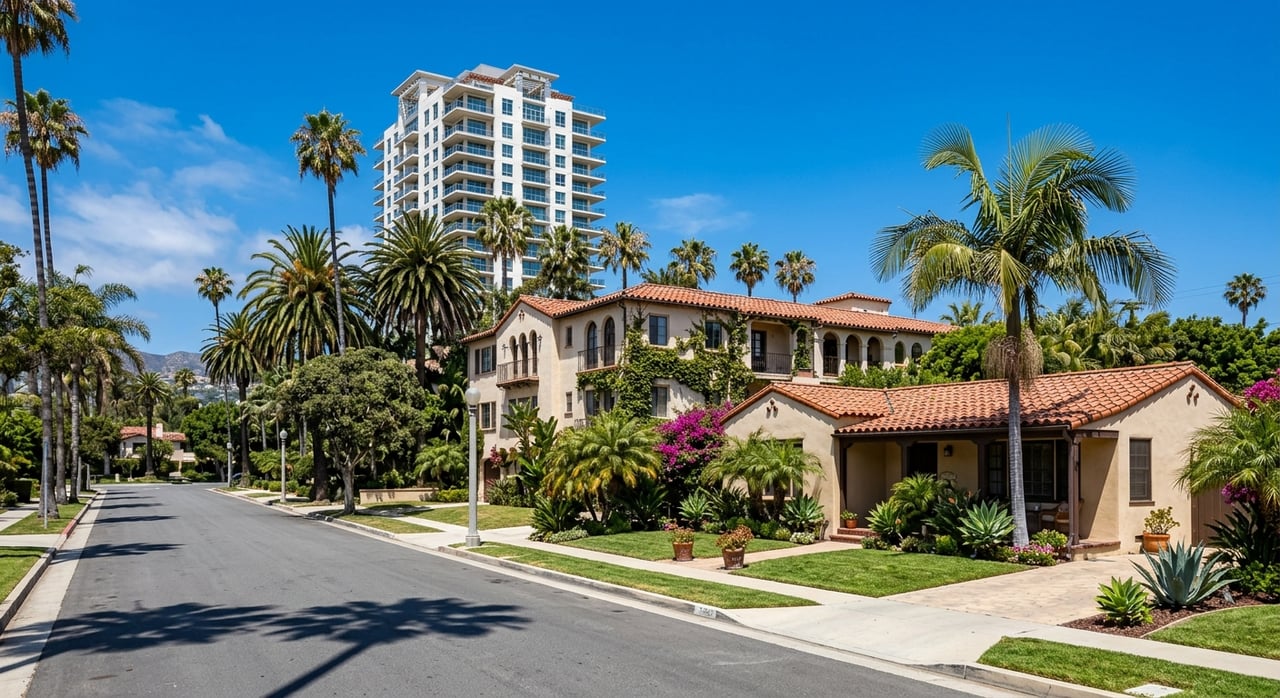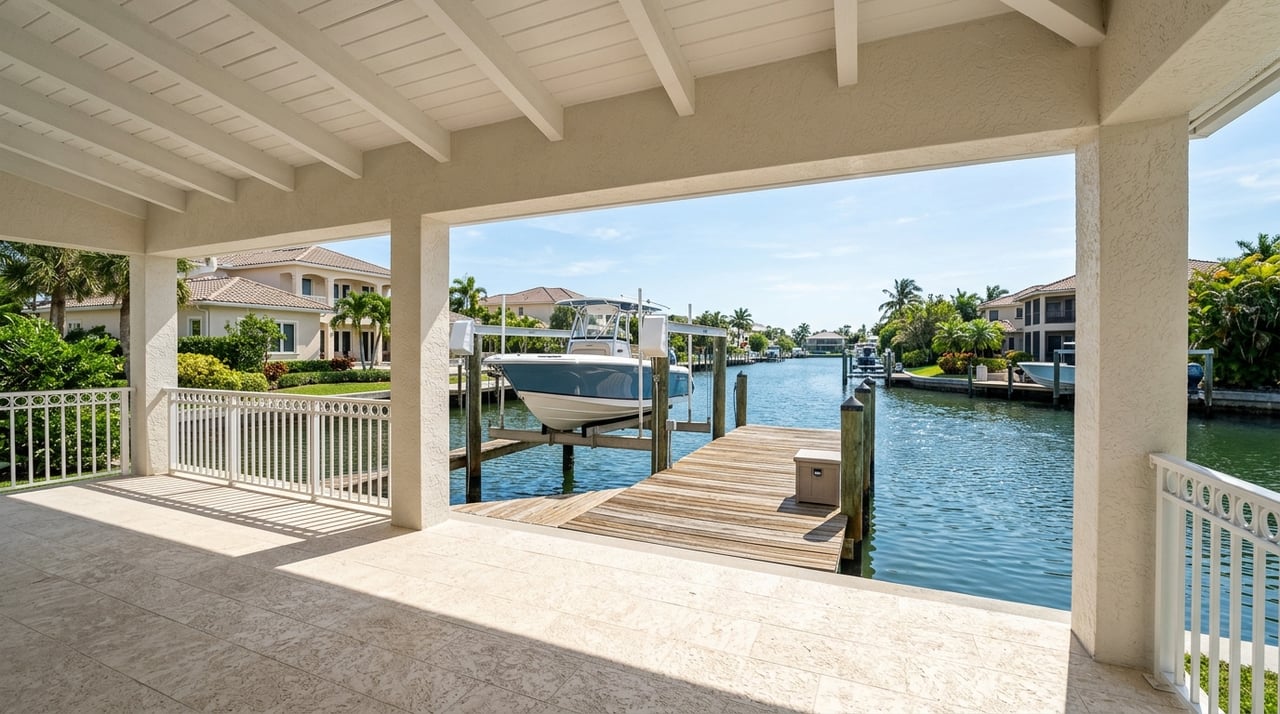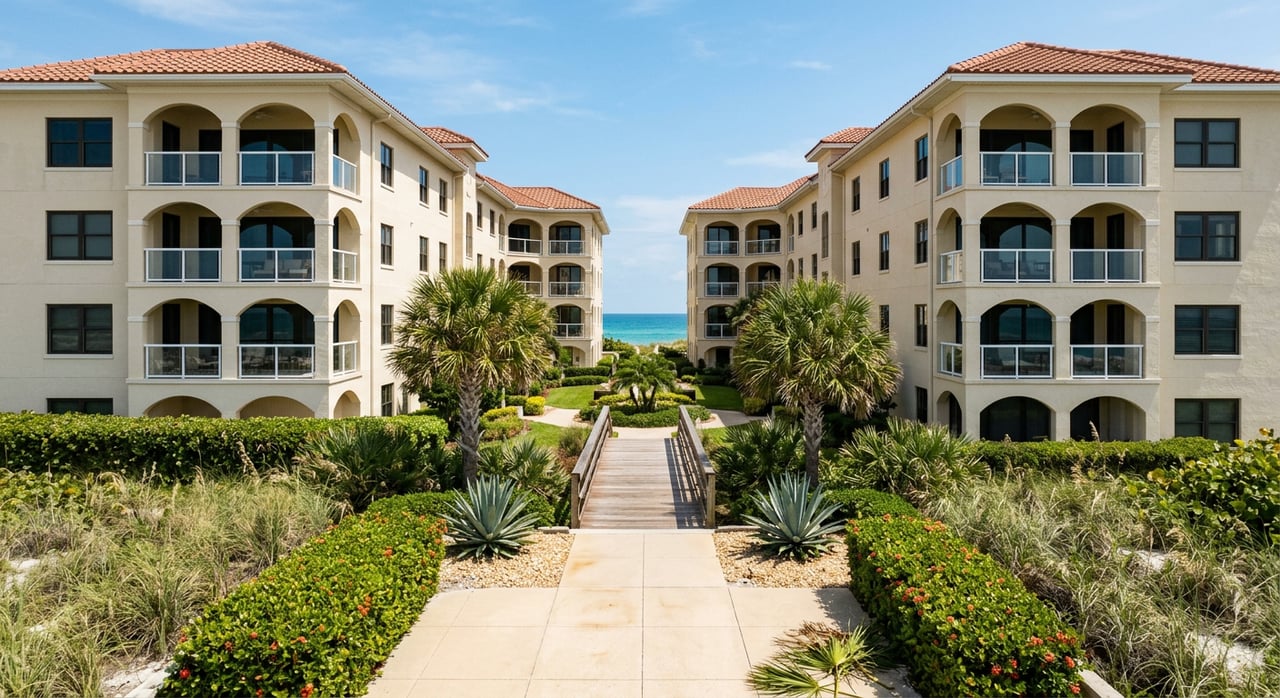
Is the view from your sofa worth crossing the street for, or do you want your toes in the sand the moment you step outside? In Naples, listings often say “Gulf‑front” or “Gulf‑view,” and the two can look similar online but live very differently once you are here. If you know what drives view quality, beach access, risk, and ongoing costs, you can choose with confidence. This guide breaks it down and gives you a simple scoring checklist you can use on any condo in Collier County. Let’s dive in.
Gulf‑front vs Gulf‑view: what it really means
In local marketing, “Gulf‑front” usually means the building sits directly on the beach with no public road or other lots between the structure and the sand. “Gulf‑view” means you can see the Gulf from the unit, but the building is not on the beach itself. These are marketing labels, not legal designations.
To verify what you are buying, confirm the property’s position relative to the Coastal Construction Control Line (CCCL) and other coastal setbacks. Work with the association and your agent to review surveys, plats, and any recorded beach access or pedestrian easements. The Florida Department of Environmental Protection explains how CCCL rules shape coastal construction and rebuilding, and the City of Naples publishes details on construction seaward of the CCCL:
- Learn how the CCCL governs coastal work and rebuilding at the Florida DEP’s beaches program. Florida DEP: Beaches and Coastal Systems rules
- Review Naples guidance on building seaward of the CCCL. City of Naples CCCL information
What you feel day to day
Buyers typically pay up for three things:
- Direct sand access. A private or association walkover that puts you on the beach in moments.
- Unobstructed, panoramic sightlines. Wide water views from main living areas and balconies.
- Privacy and exclusivity. Fewer passersby in front of your building and less activity between you and the water.
These features often carry a measurable premium, but the exact size varies by building, floor, orientation, and risk profile.
What shapes view quality in Naples
Line of sight and obstructions
Count how many “rows” separate the building from open water. A public road, landscaping, or neighboring structures can shrink or angle your view. Check satellite imagery and photos taken from inside the unit to see what you will actually live with.
Floor and stack position
Higher floors and corner stacks can clear trees, dunes, and rooftops to open up the horizon. Research on oceanfront condos finds that elevation and corner locations are associated with higher value because they improve view corridors. Study on elevation and corner premiums
Orientation, glazing, and balconies
Two units at the same distance can feel very different. Floor‑to‑ceiling glass, wrap balconies, and main living spaces oriented toward the Gulf create a better day‑to‑day experience than side‑facing rooms or small openings.
Beach width, dunes, and nearby projects
A wider dry‑sand beach and healthy dunes feel more “front row” and also buffer storm impacts. City projects can change beach width and public access points over time. Review current work, like Naples’ stormwater outfall removals and beach improvements, and understand how beach restoration affects shoreline lines and private claims.
- See the City’s beach restoration and outfall work. Naples beach outfalls project
- Read background on Florida’s beach restoration program and property lines. Florida Bar Journal overview
Flood zone, waves, and elevation
Flood classifications affect lending, insurance, and retrofit options. Collier County adopted updated coastal flood maps in 2024, moving some buildings into different zones. Always check the address‑specific flood zone and Base Flood Elevation, then request the building’s elevation certificate.
- Review Collier’s floodplain guidance and 2024 updates. Collier County Floodplain Management
- Pull a FIRMette for any address. FEMA Flood Map Service Center
How price and costs differ
There is no one‑size premium. Academic work shows that water‑view premiums vary widely by market and view quality, from single‑digit percentages to materially higher figures for full, unobstructed ocean views. Use this as context, not a rule for Naples. Summary of water‑view premium variability
To understand the broader backdrop for Collier County condos, watch county‑level trends published by the Naples Area Board of REALTORS®. These reports help you place waterfront premiums against supply, demand, and median pricing. NABOR market report
On carrying costs, true beachfront buildings often sit in higher‑exposure zones and may have larger master flood or wind policies. Many associations carry an RCBAP (Residential Condominium Building Association Policy). Review the master policy’s limits and deductibles, and understand what your personal policy must cover. Lender rules and Florida condo law make these distinctions important. FDIC summary of flood insurance requirements
Your Naples due‑diligence game plan
Quick online pre‑check
- Map the building and look for any public road or lots between it and the dune line.
- Create a FIRMette and note the flood zone and Base Flood Elevation. FEMA Flood Map Service Center
- Pull the CCCL layer and see if any structure or walkover lies seaward of it. City of Naples CCCL page
- Check county resources for elevation certificates or Letters of Map Change and review floodplain guidance. Collier County Floodplain Management
Documents to request
- Recorded plat, deed, and any beach or pedestrian easements.
- Building elevation certificate and, if applicable, V‑zone engineering.
- RCBAP declarations page, association deductible policy, and recent premium history. FDIC flood insurance overview
- Condo declarations, bylaws, latest audited financials, and reserve studies, including any structural integrity reserve study if required by statute.
- History of coastal permits and any beach restoration or shoreline work affecting your frontage.
On‑site checks
- Visit at both low and high tide to judge beach width and the feel of the dune.
- Stand in living areas and on the balcony to assess the true sightline during midday and sunset.
- Note foot traffic and any public beach access near the building that may affect privacy.
A simple scoring tool you can use today
Score each item 0 to 2, then total a maximum of 14.
- Direct sand access or private walkover
- 0 = none, 1 = shared/public, 2 = deeded/private/direct
- Unobstructed view
- 0 = significant obstruction, 1 = partial or angled, 2 = panoramic
- Floor and elevation
- 0 = low floor below amenity line, 1 = middle, 2 = top or penthouse
- Beach width and dune buffer
- 0 = narrow or armored, 1 = average, 2 = wide with healthy dunes
- Flood and wave exposure and insurance clarity
- 0 = VE or unknown, 1 = AE with known BFE, 2 = X or documented lower risk
- HOA finances and insurance clarity
- 0 = weak reserves or unknown, 1 = adequate disclosures, 2 = strong reserves plus clear RCBAP
- Practical access and amenities
- 0 = limited or complicated, 1 = adequate, 2 = private parking or enhanced club‑style amenities
Interpretation:
- 11–14: Top‑tier Gulf‑front experience, premium likely justified.
- 7–10: Strong Gulf‑view or Gulf‑side with desirable attributes.
- Below 7: Partial or angled view, or inland experience.
Which option is right for you?
Choose Gulf‑front if you prioritize direct sand access, privacy in front of the building, and the widest views from main rooms. Expect stricter coastal rules, careful attention to flood classification, and possibly higher insurance costs.
Choose Gulf‑view if you want sweeping sunsets from a higher floor without paying the absolute front‑row premium. You may trade a short walk and a road crossing for value, while still enjoying a wide horizon if your floor and stack clear nearby obstructions.
When you are comparing two listings, use the scoring tool above, confirm the flood zone and elevation, and ask for association insurance details. Small differences in stack position, balcony depth, or dune height can change your daily experience far more than photos suggest.
Ready to compare specific buildings or stacks on Gulf Shore Blvd, Park Shore, Pelican Bay, or Old Naples? Reach out for a private, data‑driven walkthrough of your best options. Schedule your free consultation with Aline Smolanoff.
FAQs
What is the difference between Gulf‑front and Gulf‑view in Naples?
- Gulf‑front typically means the building sits on the beach with no intervening road, while Gulf‑view means the unit has a sightline to the Gulf but the building is not on the sand; always verify access and coastal setbacks through surveys, plats, CCCL maps, and recorded easements.
How much more will a Gulf‑front condo cost than a Gulf‑view in Collier County?
- There is no fixed percentage; studies show wide variation in water‑view premiums based on view quality and distance, so rely on immediate local comps within the same or adjacent buildings and use county‑level trends only as context.
Do Gulf‑front condos in Naples cost more to insure?
- Often yes; buildings in higher‑exposure coastal zones can face larger flood and wind premiums, and condo associations frequently carry master flood policies (RCBAP), so review the declarations page, deductibles, and your unit’s coverage needs.
How do Collier County’s 2024 flood map updates affect beachfront condos?
- Some properties changed zones, which can alter lender requirements and premiums; always generate a current FEMA FIRMette for the specific address and request the building’s elevation certificate.
Can a high‑floor Gulf‑view unit feel like Gulf‑front?
- Sometimes; if the floor and stack clear nearby roofs, trees, and dunes, you can get unobstructed sunsets and horizon views, but you trade immediate sand access for a short walk and possibly crossing a road.